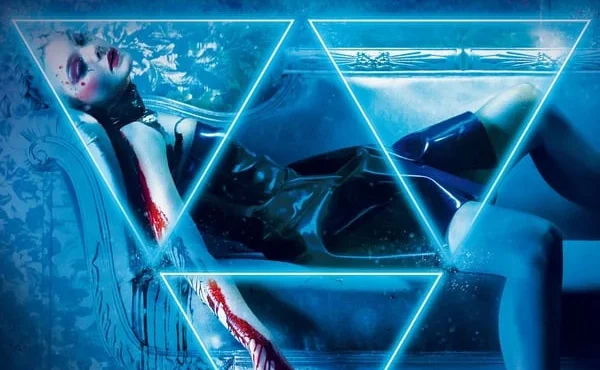
The Neon Demon. Beauty that kills
In 2016, the Danish filmmaker Nicolas Winding Refn unveiled to the world a new cinematic creation—one steeped in beauty and in stylistic and formal purity: The Neon Demon.

In 2016, the Danish filmmaker Nicolas Winding Refn unveiled to the world a new cinematic creation—one steeped in beauty and in stylistic and formal purity: The Neon Demon.

Salads. More salads. Nothing but salads. It’s still a mystery how Caravaggio managed to survive on them for months.

Few artists in history have had an impact as profound as Caravaggio. Unlike his contemporaries, such as the Carracci brothers, Caravaggio rejected the fading Mannerist style of the late 1500s. He grounded his work in raw, intense realism.

Avant-garde cinema, which emerged in the early 20th century from movements like Expressionism, Cubism, Abstract art, Dadaism, and Surrealism, continues to influence modern filmmaking, especially in films that are often difficult to decipher and sometimes deliberately shocking.

When we reflect on the great minds of the past, we often admire them, yet feel humbled by the contrast with our own limitations.

Paninari: a youth subculture that emerged in late-1970s Milan and spread across Italy throughout the 1980s.

Provocative, disorienting, evocative, and deeply moving all at once — that’s Bronson (2008), a groundbreaking film from the visionary Danish director Nicolas Winding Refn.

Grace Kelly embodied grace itself; her elegance and sensuality in perfect harmony remind us that beauty can transcend any circumstance.

It’s not that hard to recognize a masterpiece: impeccable technical elements, a smooth, tight script, solid performances, and deeper meanings that allow the film to stand out in its genre – and even transcend it.

“I really hated Basildon. I wanted to get out as quickly as I could. I think being in a band was an escape. There was very little to do. It’s one of those places where you go drinking because that is your only option”.