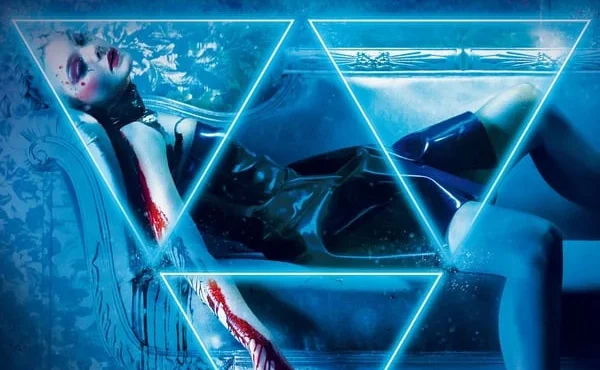
The Neon Demon. Beauty that kills
In 2016, the Danish filmmaker Nicolas Winding Refn unveiled to the world a new cinematic creation—one steeped in beauty and in stylistic and formal purity: The Neon Demon.

In 2016, the Danish filmmaker Nicolas Winding Refn unveiled to the world a new cinematic creation—one steeped in beauty and in stylistic and formal purity: The Neon Demon.

Avant-garde cinema, which emerged in the early 20th century from movements like Expressionism, Cubism, Abstract art, Dadaism, and Surrealism, continues to influence modern filmmaking, especially in films that are often difficult to decipher and sometimes deliberately shocking.

It’s not that hard to recognize a masterpiece: impeccable technical elements, a smooth, tight script, solid performances, and deeper meanings that allow the film to stand out in its genre – and even transcend it.

The film by Stanley Kubrick has always been controversial. Barry Lyndon (1975) is perhaps the most valued and praised film by the critics and the least loved by the audience, that still today think it is boring. Irrespective of personal taste, no one can deny the absolute technical and formal perfection of the film, in which highly deep topics and reflections are concealed.

“Iconic”, that is, relating to an image that strikes the viewer, imposing itself in the collective imagination as a symbol.

The 1970s: years of rock. A creative and turbulent decade, in which many musical genres came to light, some of which are so representative that they identify the very essence of that period.

The epic dimension of a film is almost always recognisable from the very beginning, the moment it conveys that sense of power that can transcend reality.

«Suspiria» is a film for everyone. We are not talking about censorship, that’s right. We are saying that it is a film that everyone can understand.